Energy for all
Universal access to sustainable electricity that supports full lives, livelihoods and local development.
Energy democracy · Just transition · Philippines
CPII combines rigorous research, popular education and community-led planning to build an electricity system that is affordable, reliable, renewable and publicly accountable.
About CPII
The Center for Power Issues and Initiatives works on the Philippine electric power industry through the lens of a just energy transition and energy democracy.
Formed in 2013, CPII translates technically complex power-sector issues into accessible materials for communities, workers, consumers and decision-makers. It produces public-interest research, participates in policy debates and helps communities shape practical energy alternatives.
For CPII, a power shift means two things: energy that is reliable, affordable and environmentally sustainable; and a system in which energy-poor communities do not merely receive electricity, but gain the power to decide how it is produced, distributed and governed.
Universal access to sustainable electricity that supports full lives, livelihoods and local development.
Women, workers and energy-poor communities have information, organization and a real voice in energy decisions.
An electricity industry answerable to the people it serves—not only to investors and market institutions.
What the evidence shows
Selected findings from Saan Umabot ang Bente Mo: EPIRA 20 Years After. Each figure retains the reference year used in the publication.
11
controlled almost three-fourths of Philippine generation capacity in 2020.
70%
were commanded by private distribution utilities in 2020.
32% vs 100%
Only 32% of families in the bottom income decile had electricity access in 2015, compared with all families in the top decile.
12
had at least 15% of families without electricity in 2018.
56%
came from electric cooperatives in 2020: 23,622 GWh out of 41,845 GWh.
15.99M
were served by electric cooperatives as of June 2023.
The question is not simply whether electricity reaches people. It is who owns the system, who bears its risks and costs, who captures its gains—and who gets to decide.
Download the complete publicationHow CPII works
CPII works across the distance between national policy and everyday electricity use—linking evidence, public debate and community action.
Investigate electricity prices, ownership, regulation, energy poverty, market concentration, reliability and the social consequences of power policy.
Create readable materials, workshops and learning spaces that help communities understand bills, utilities, regulations and renewable-energy choices.
Engage policy makers and participate in local and national forums available to consumers, workers and communities.
Develop practical technological, financial and organizational options for households, businesses, cooperatives and local governments.
CPII Data Lab
Move between physical energy flows, historical ownership, public-sector balance sheets and long-run power performance. Each microsite preserves its supplied historical series and makes the underlying records inspectable or downloadable.
2006–2022 series
Follow coal, oil, natural gas and renewable energy through conversion, electricity and petroleum products, final uses and system losses.
Public finance · 2001–2020
Track assets, liabilities, net worth and returns across NPC, NEA, TransCo, PSALM and PNOC.
System performance · 1985–2020
Explore electricity–GDP elasticity, fleet utilization, plant own use, network loss and delivered power.
Ownership structure · mixed vintages
Compare source-coded controlling groups across generation, distribution and retail, then inspect the plant-level records.
Featured fieldwork
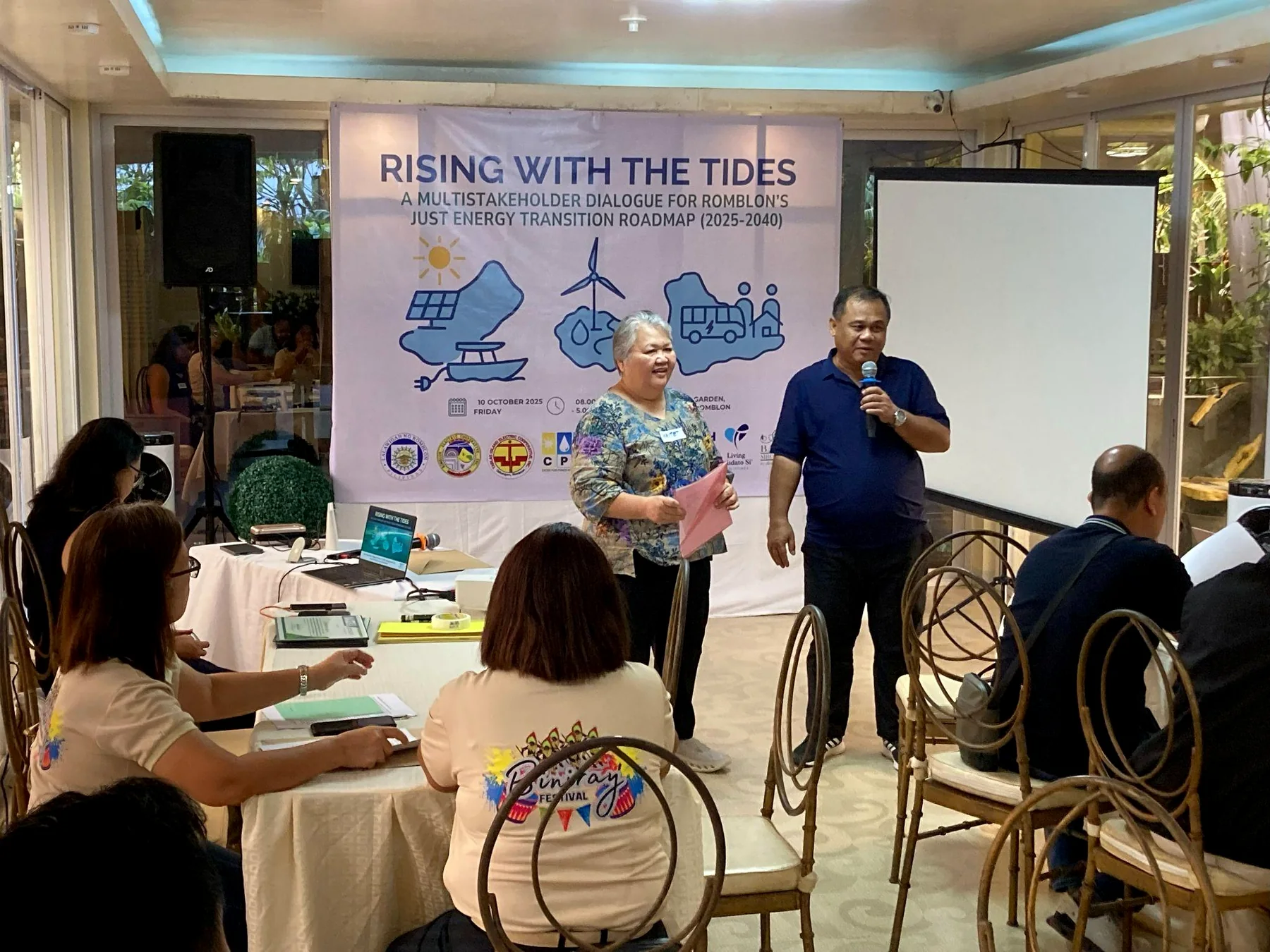
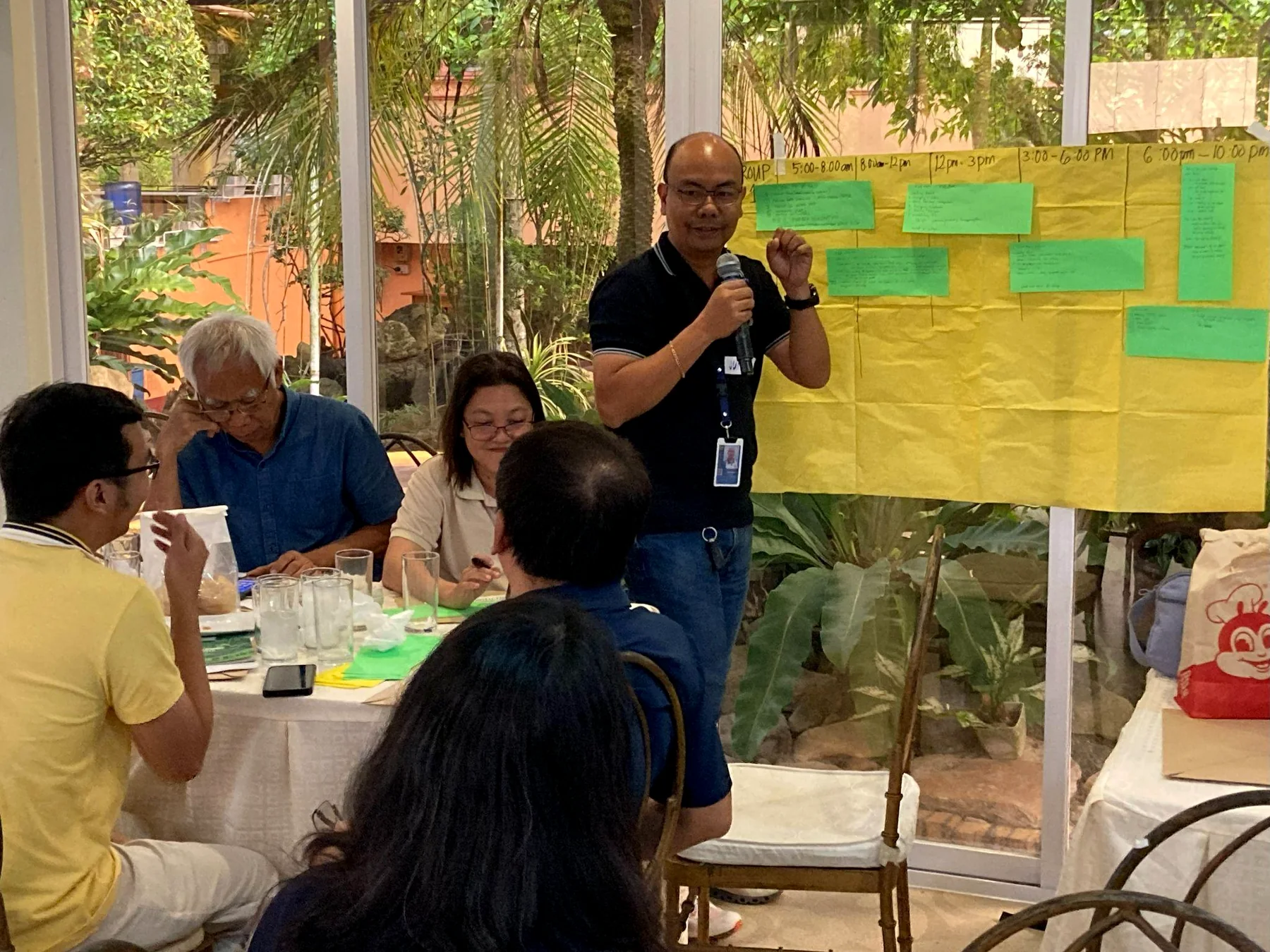
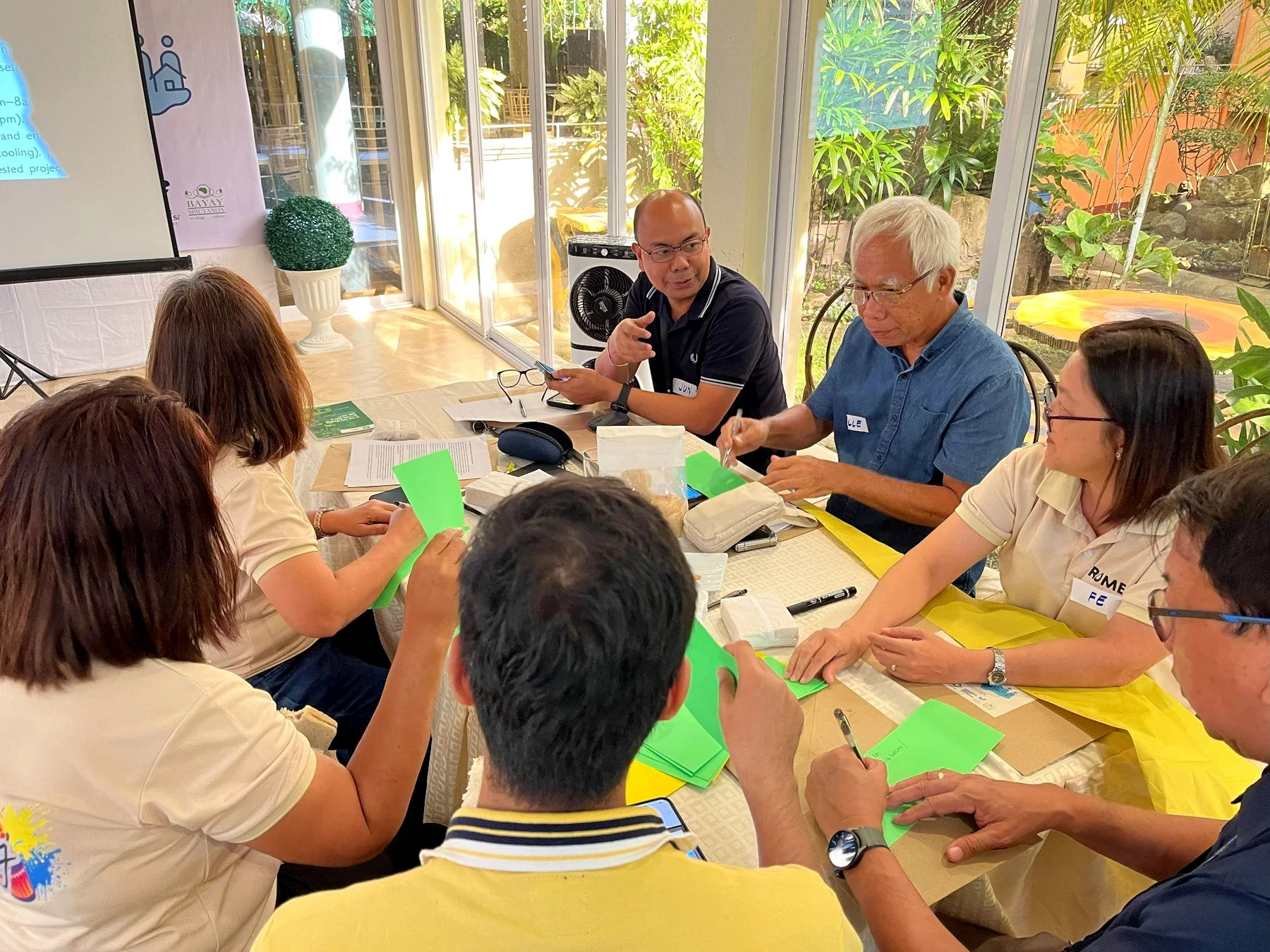
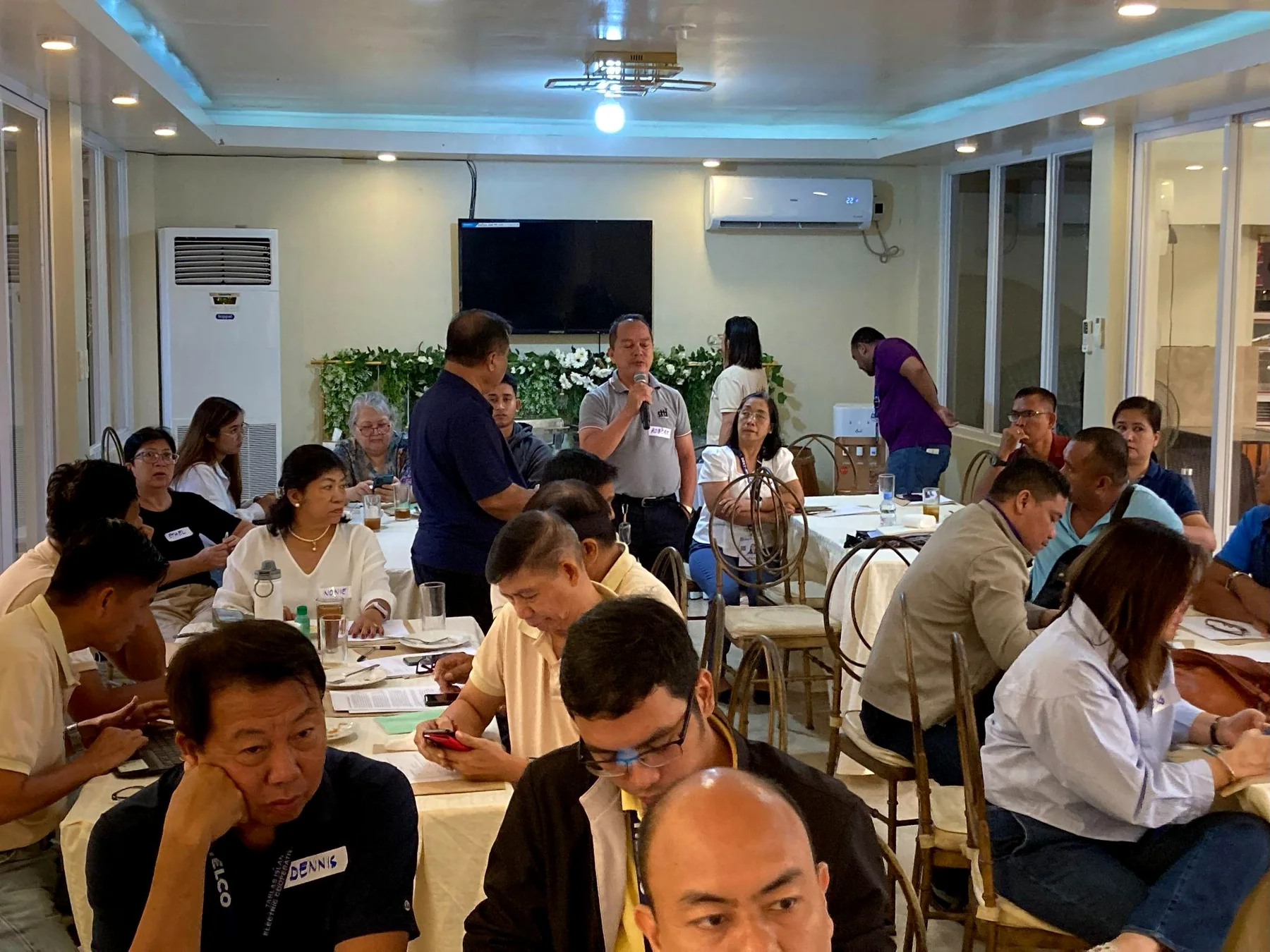
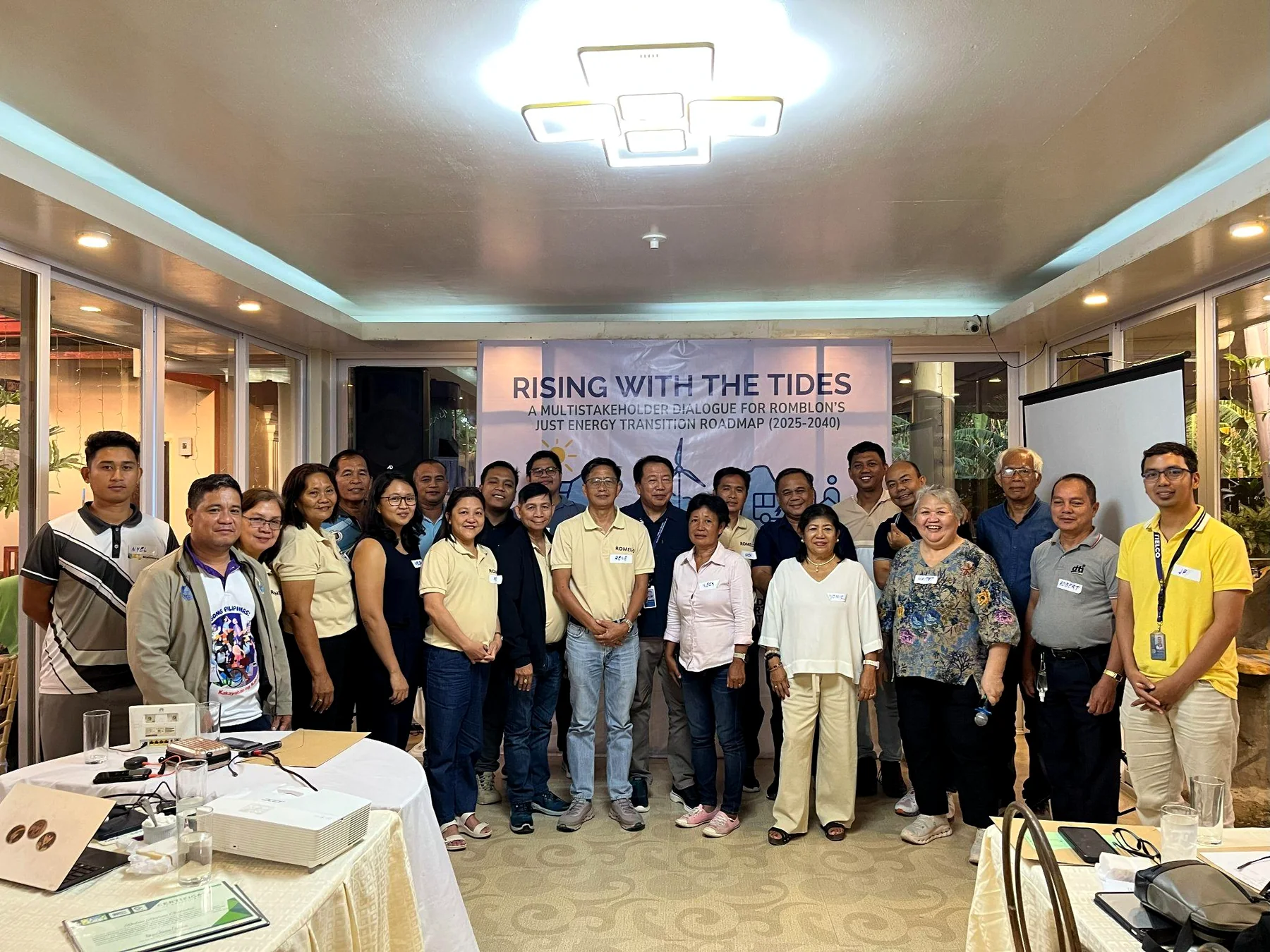
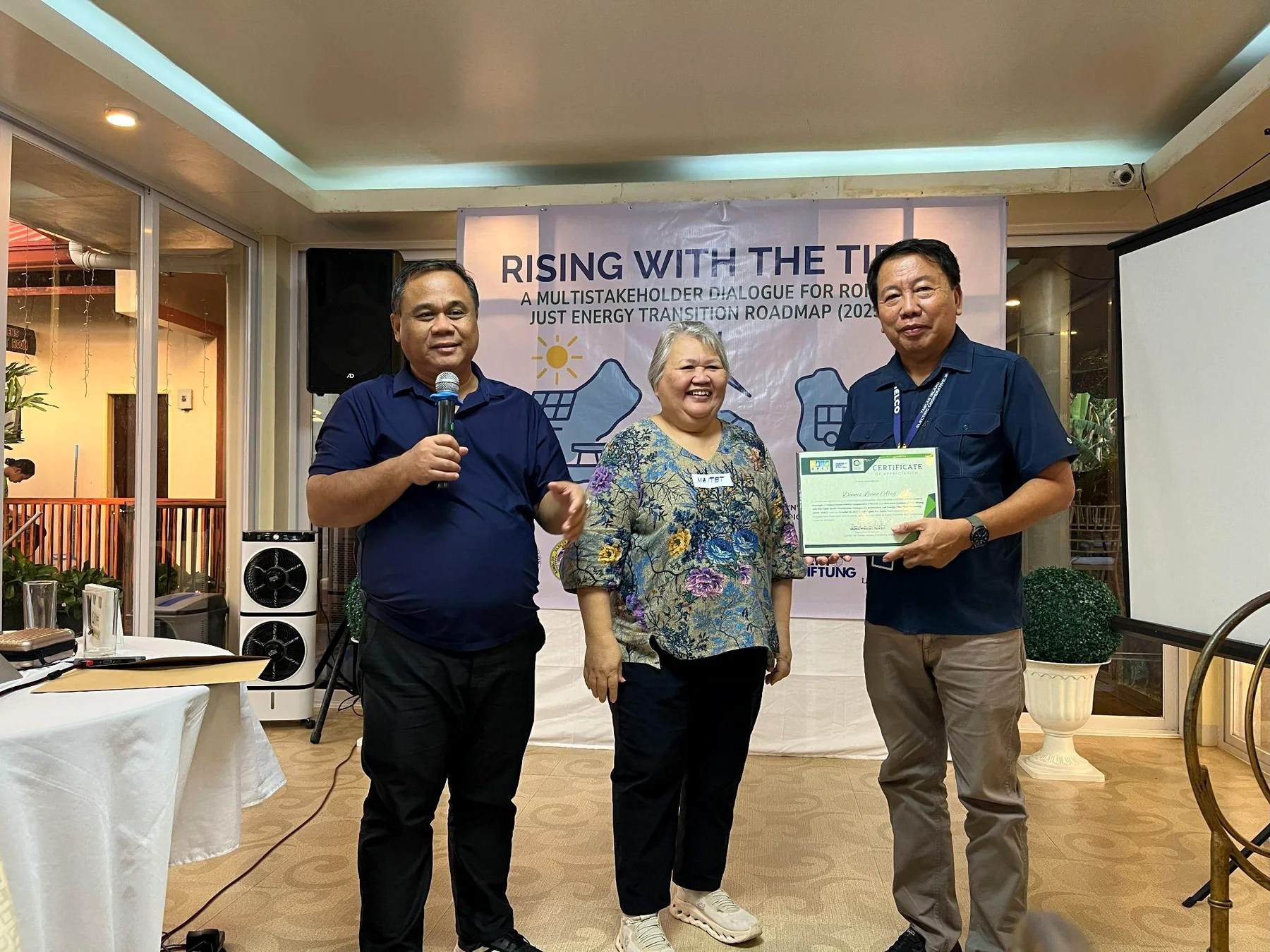
In 2025, CPII convened a multi-stakeholder dialogue for Romblon’s Just Energy Transition Roadmap 2025–2040, bringing together local governments, national agencies, electric cooperatives, fisherfolk, communities and private-sector participants.
Begin with how households, businesses, public services and livelihoods actually use electricity.
Combine local knowledge with demand, supply, economic, spatial and climate data.
Make communities and electric cooperatives co-authors of the transition—not passive recipients.
Design reliable, affordable power around jobs, public services, resilience and productive local enterprise.
People in action
CPII’s work is rooted in collaboration among researchers, advocates, workers, communities, cooperatives and public institutions.

CPII Chair and Executive Director
An economist and social-enterprise practitioner whose CPII work centers on energy poverty, women, renewable energy and the democratization of electricity.
CPII Fellow
A labor leader and energy advocate who connects the just transition to workers, democratic participation, electric cooperatives and social movements.
Featured publication
EPIRA 20 Years After · August 2024
A wide-ranging examination of power-sector ownership, electricity prices, access, transmission privatization and electric cooperatives—asking what two decades of restructuring delivered, and for whom.
Open the full PDFInside the compendium
Partners and constituencies
CPII works with renewable-energy advocates, urban-poor organizations, electric cooperatives, trade unions, local governments, researchers and development partners.
CPII office
WAMPC Multi Purpose Bldg.The future of energy is not only renewable.
It is democratic.